Un luogo bello
2015–2023
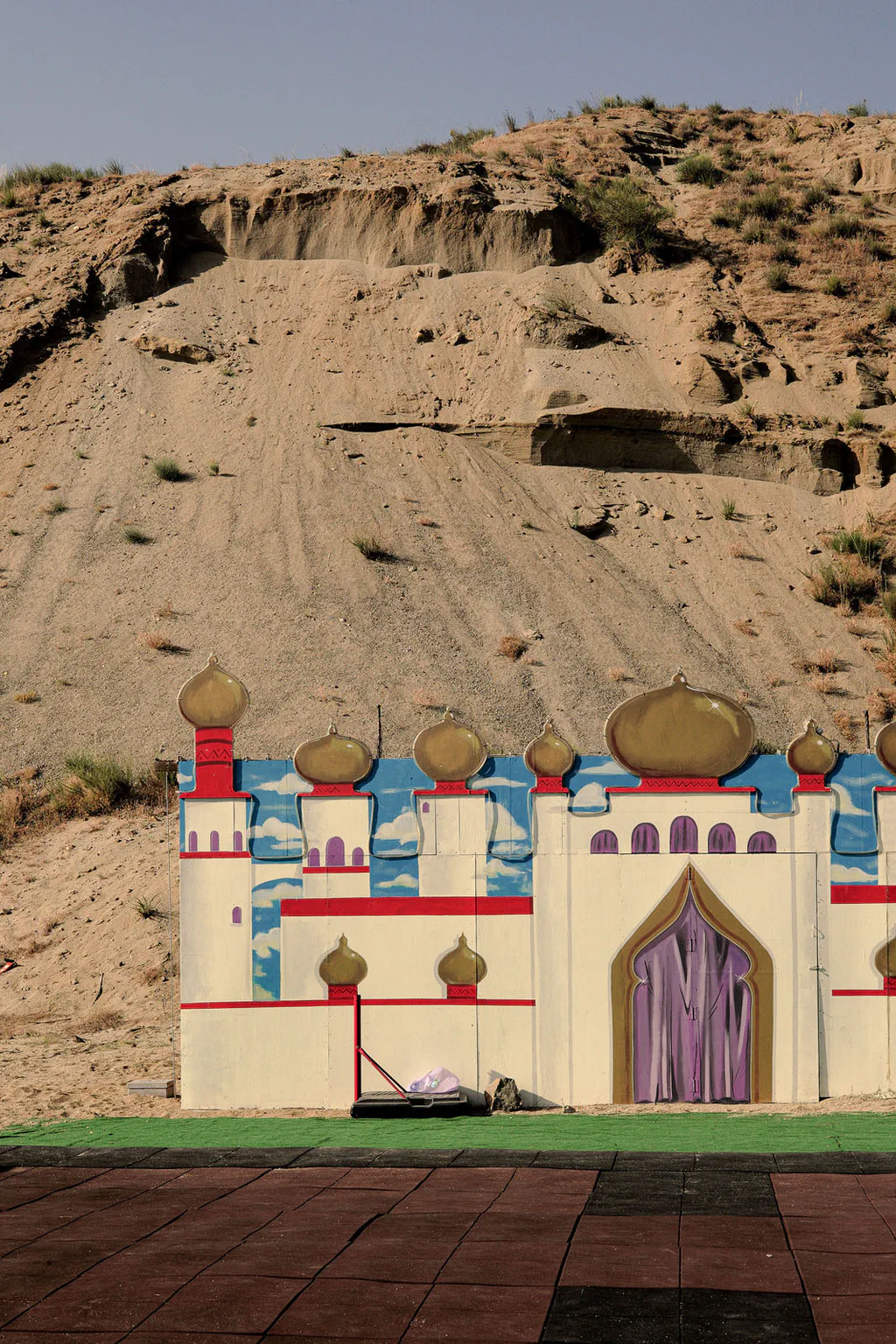
To this “beautiful place” Mallamaci dedicates an enduring love song, aware that in the images of his Calabria everyone will see what experience has taught them to see, but what they will also see is a remarkable poetic dedication to a suffering land.
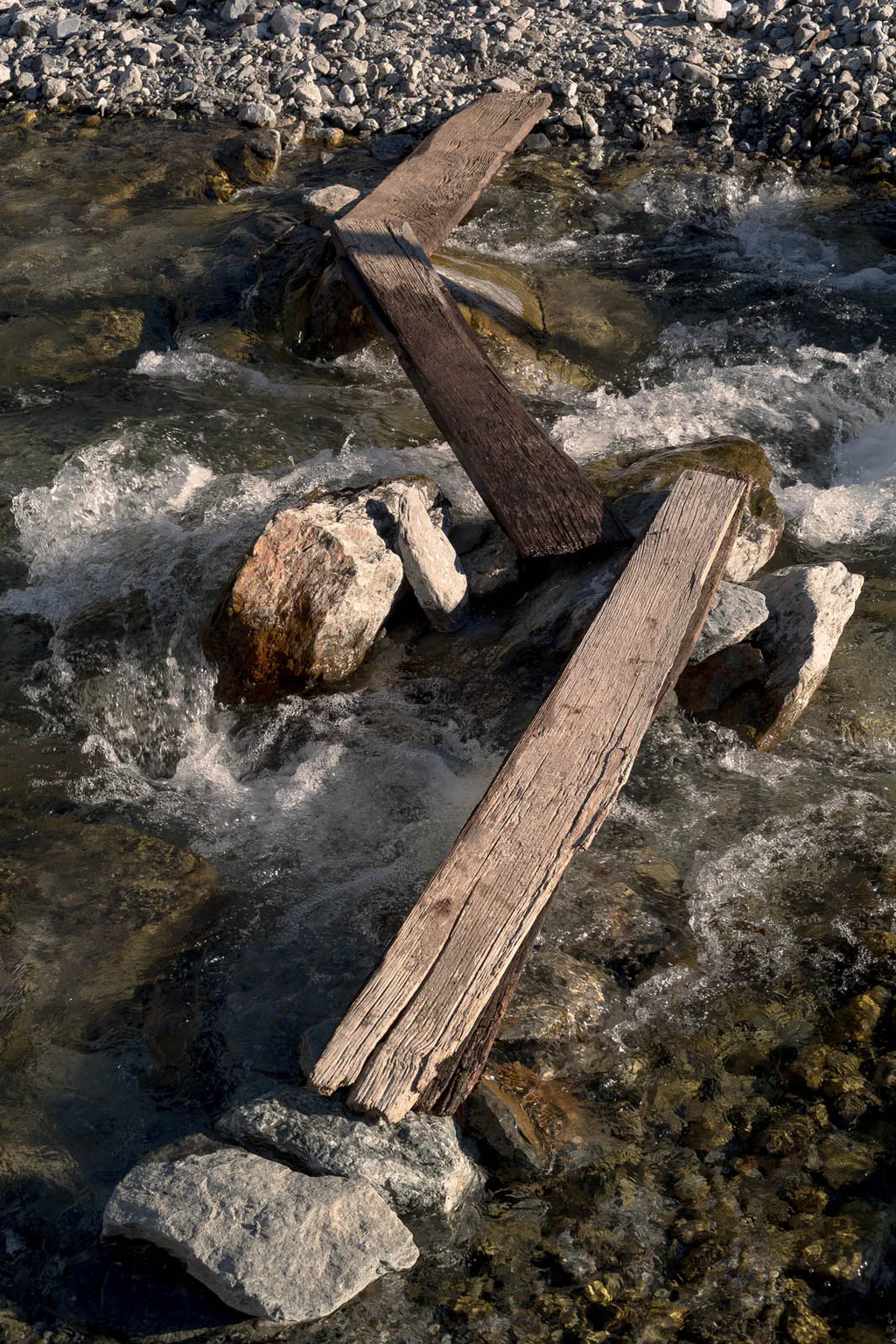
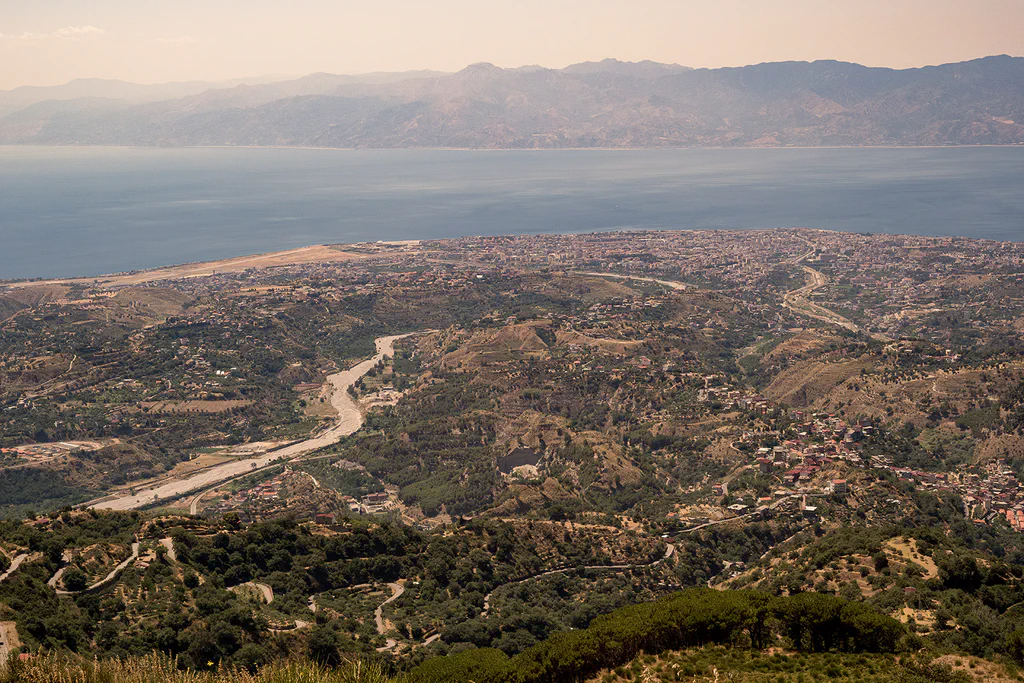
To get to the heart of his story, Alessandro Mallamaci gives us two points of reference. The first is geographic: “The valley of the Sant’Agata river nestles in the red land of the Aspromonte mountains in the province of Reggio Calabria and flows towards the sea until it plunges into the Strait of Messina. The name of the waterway originates from the Greek aghatè, which is linked to concepts such as beauty, goodness and nobility; as if travellers from the Magna Graecia period had been enchanted by this place.” The second is sentimental, a kind of afterword to clarify the title of his work: “This is my landscape. I cannot help but love it. It is a beautiful place.” An unasked-for explanation which highlights, from the very first image, his deep bond, but also a conscious and painful one, for a beloved landscape.
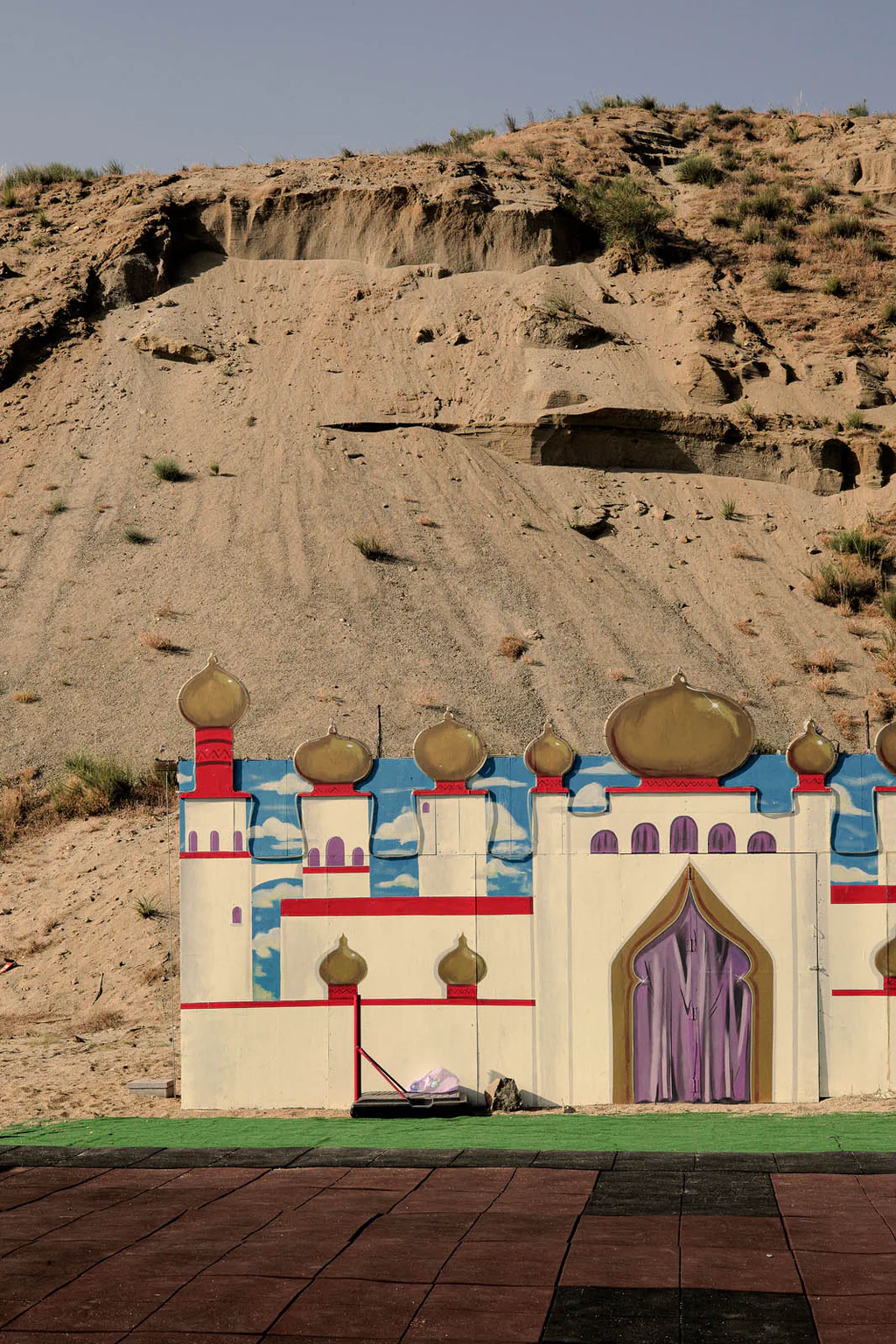
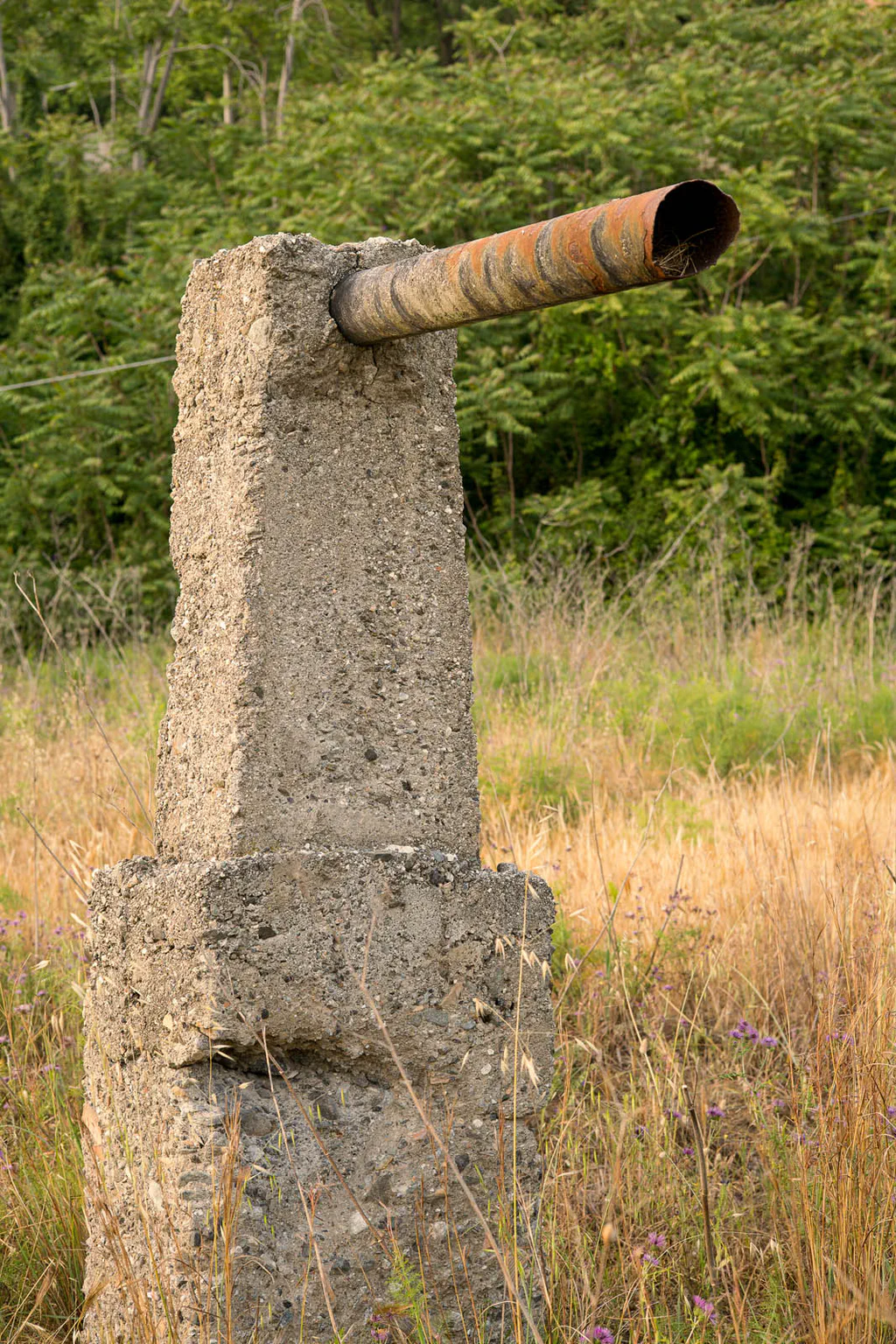
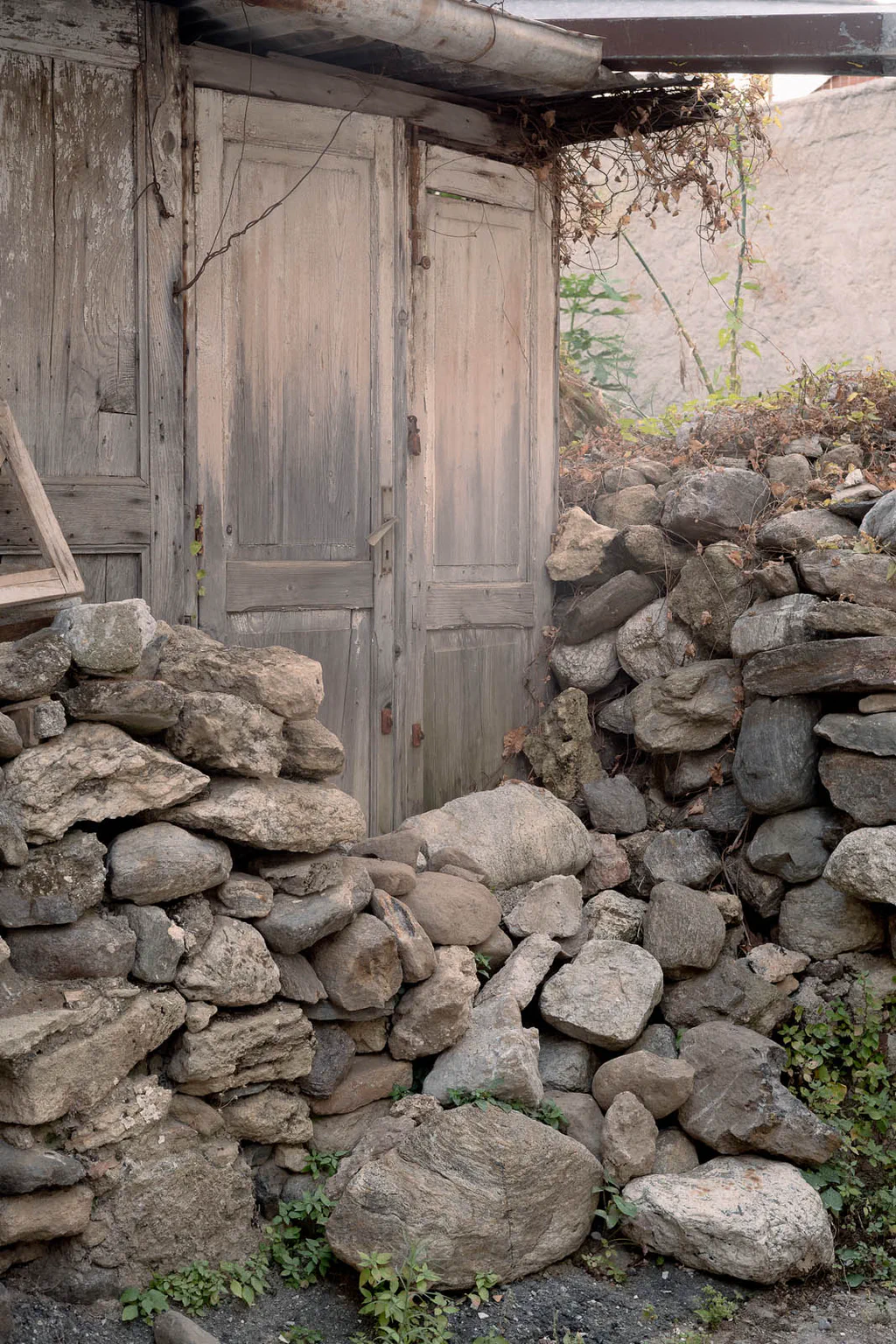
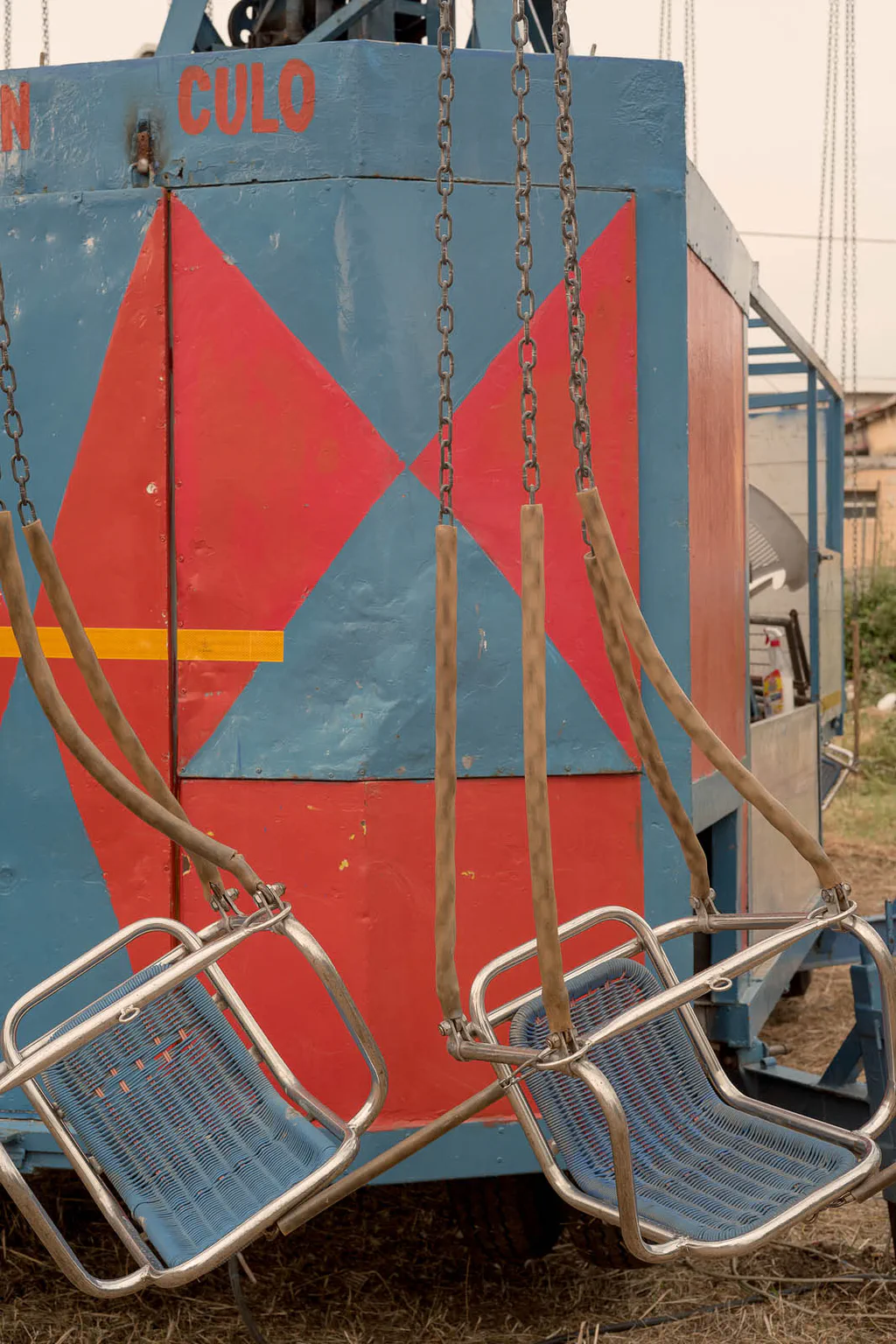
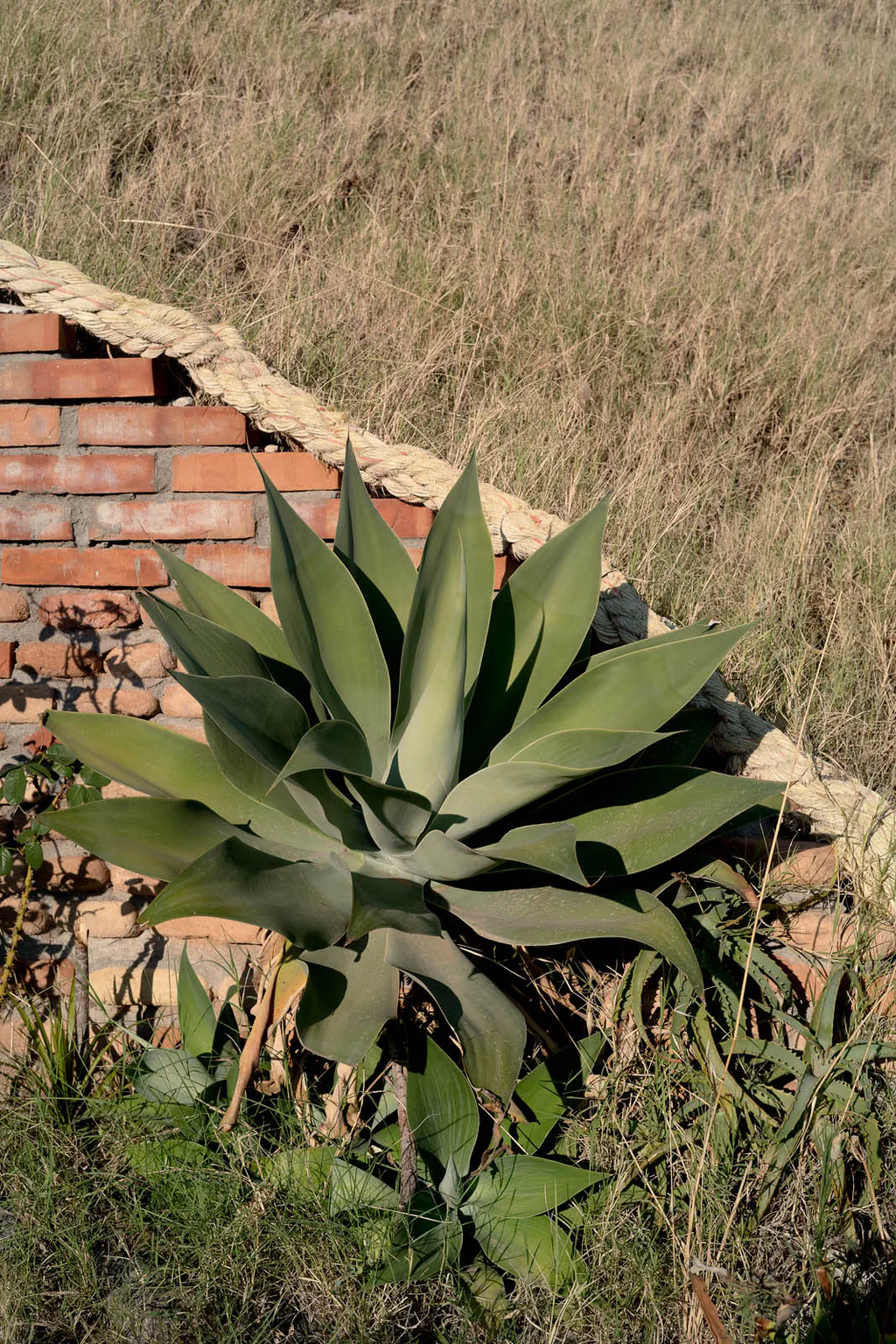
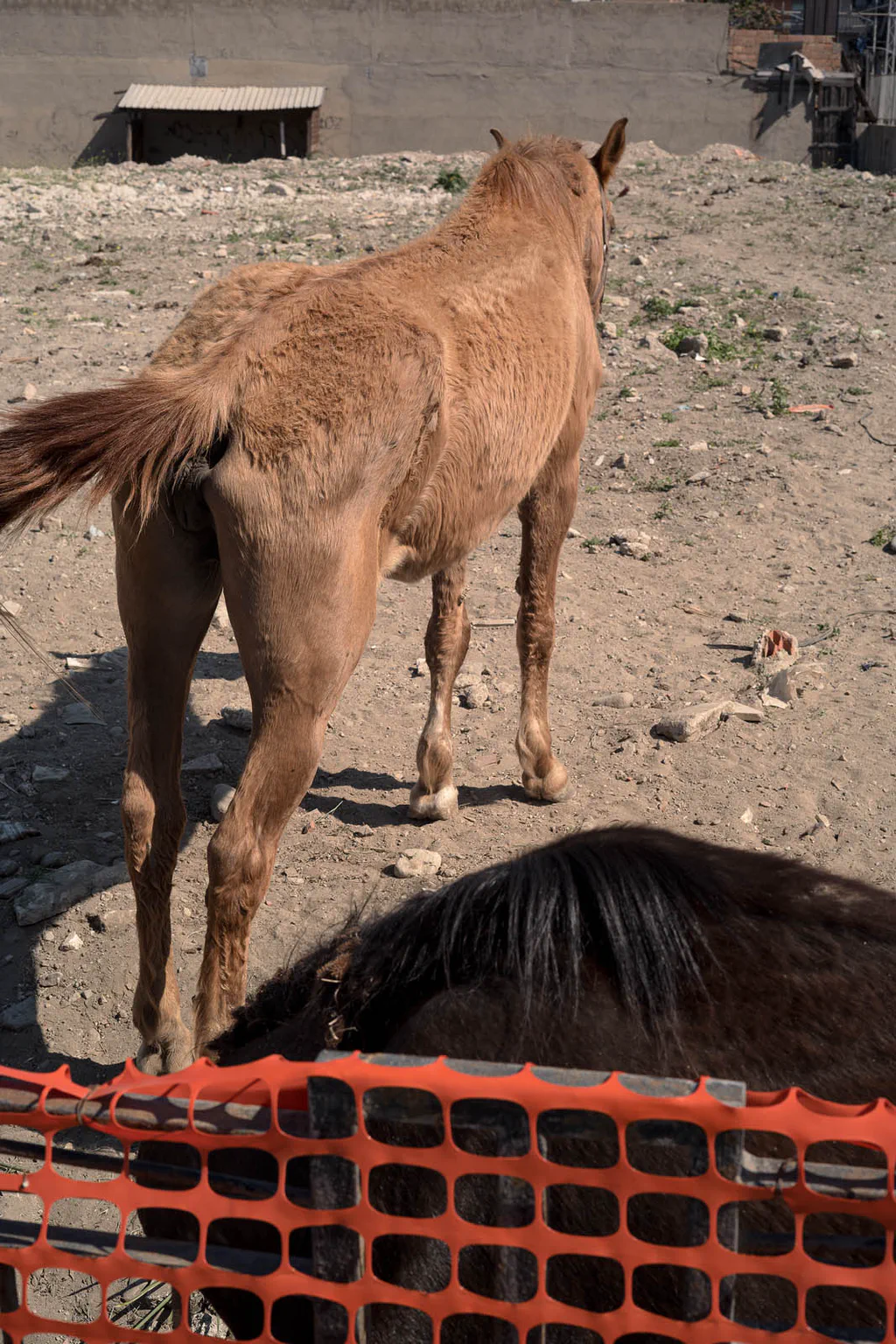
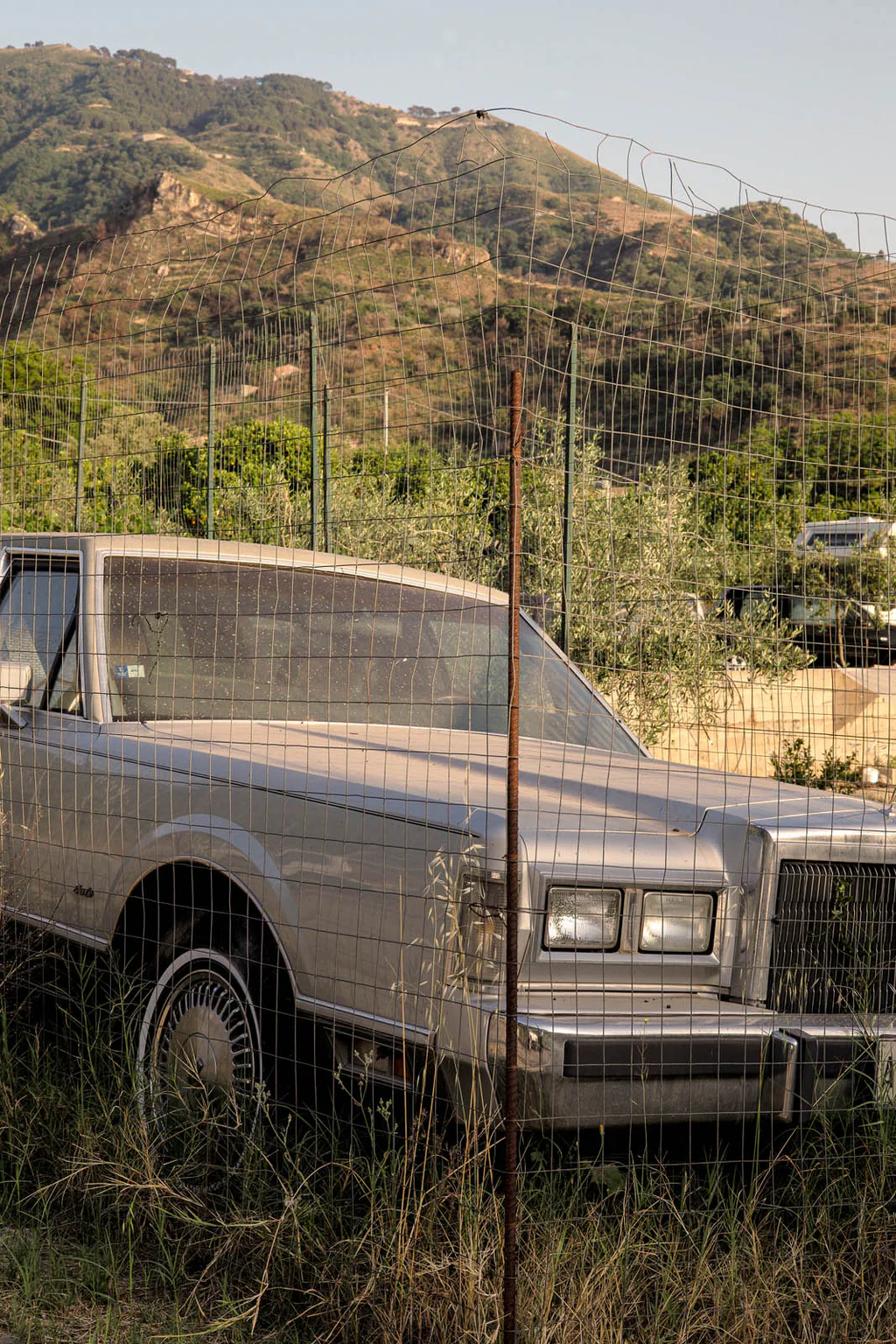
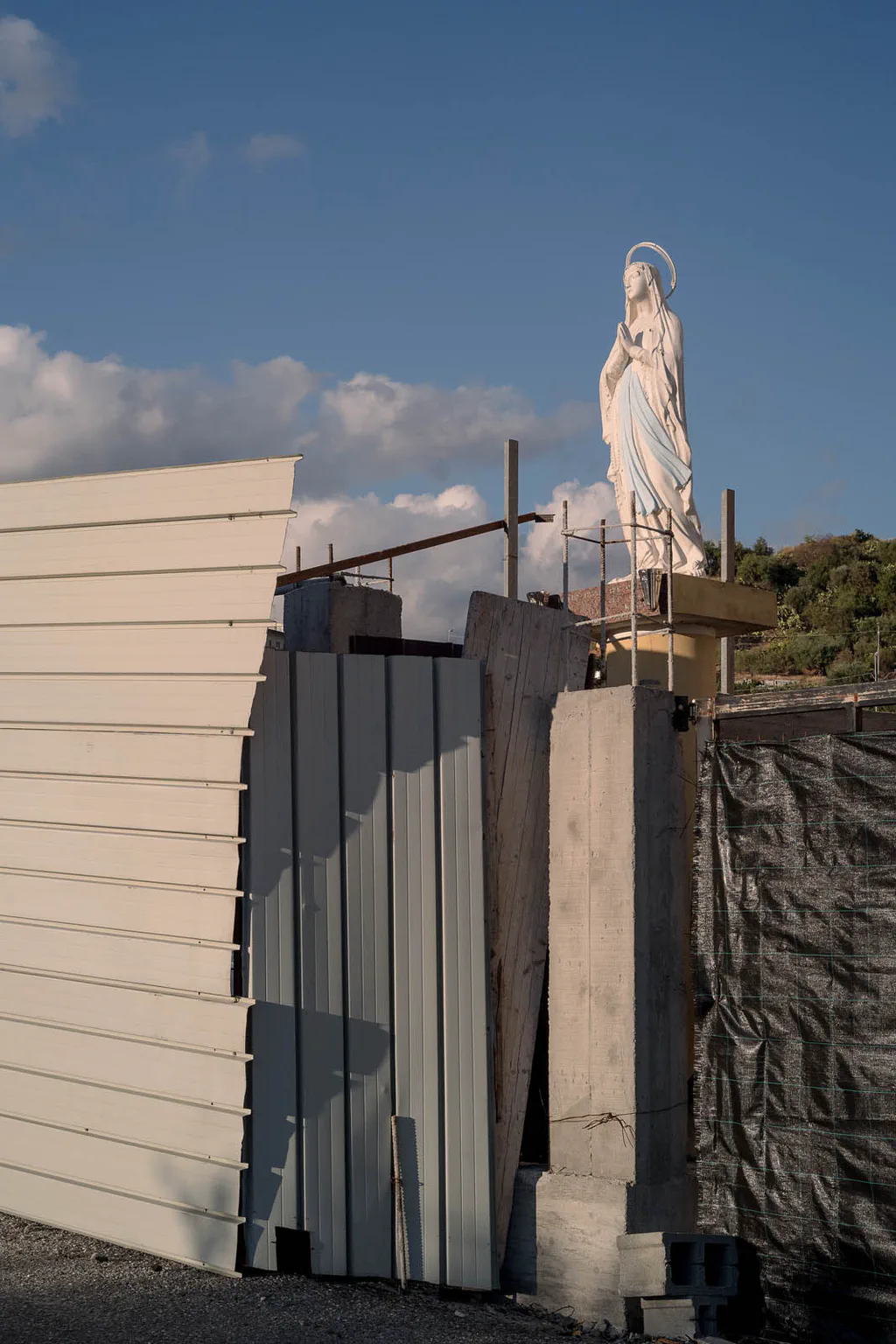
Now the journey can begin. We are in Calabria, in the places where Mallamaci lives. Places which contrast sublime landscapes and building speculation, uncontaminated nature and nature corrupted by man and his stories, historic remains and industrial waste, popular traditions rich in charm and the rule of the ‘Ndrangheta. Contradictions, as he himself points out, are the leitmotiv of this area of Italy, and Mallamaci has been moving and working between these alternations for five years. He seeks the proper distance for his photography, one which allows a dialogue between details and wider visions, people and things, to build an itinerary which develops upwards and into which – almost a pause – horizontal visions are inserted.
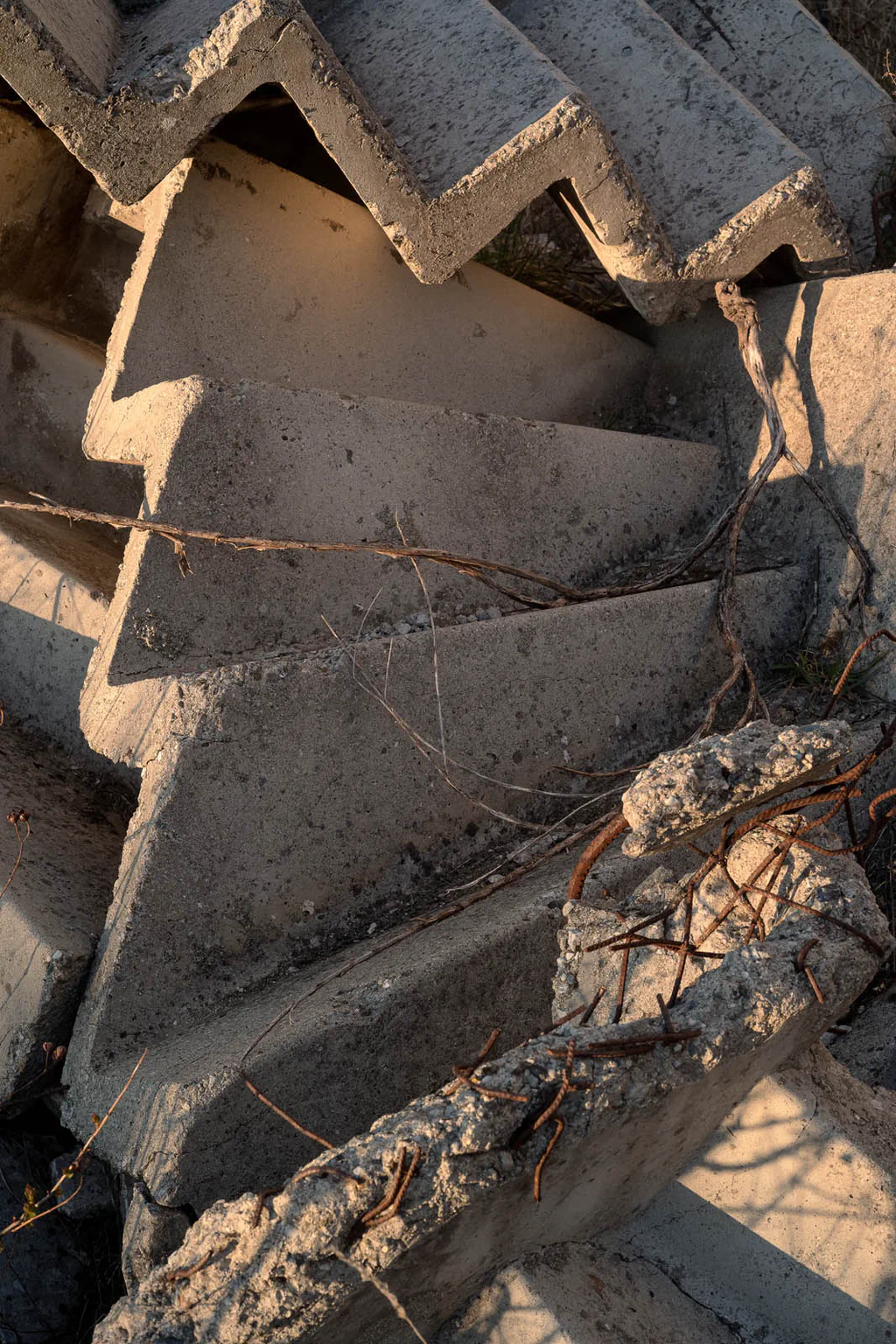
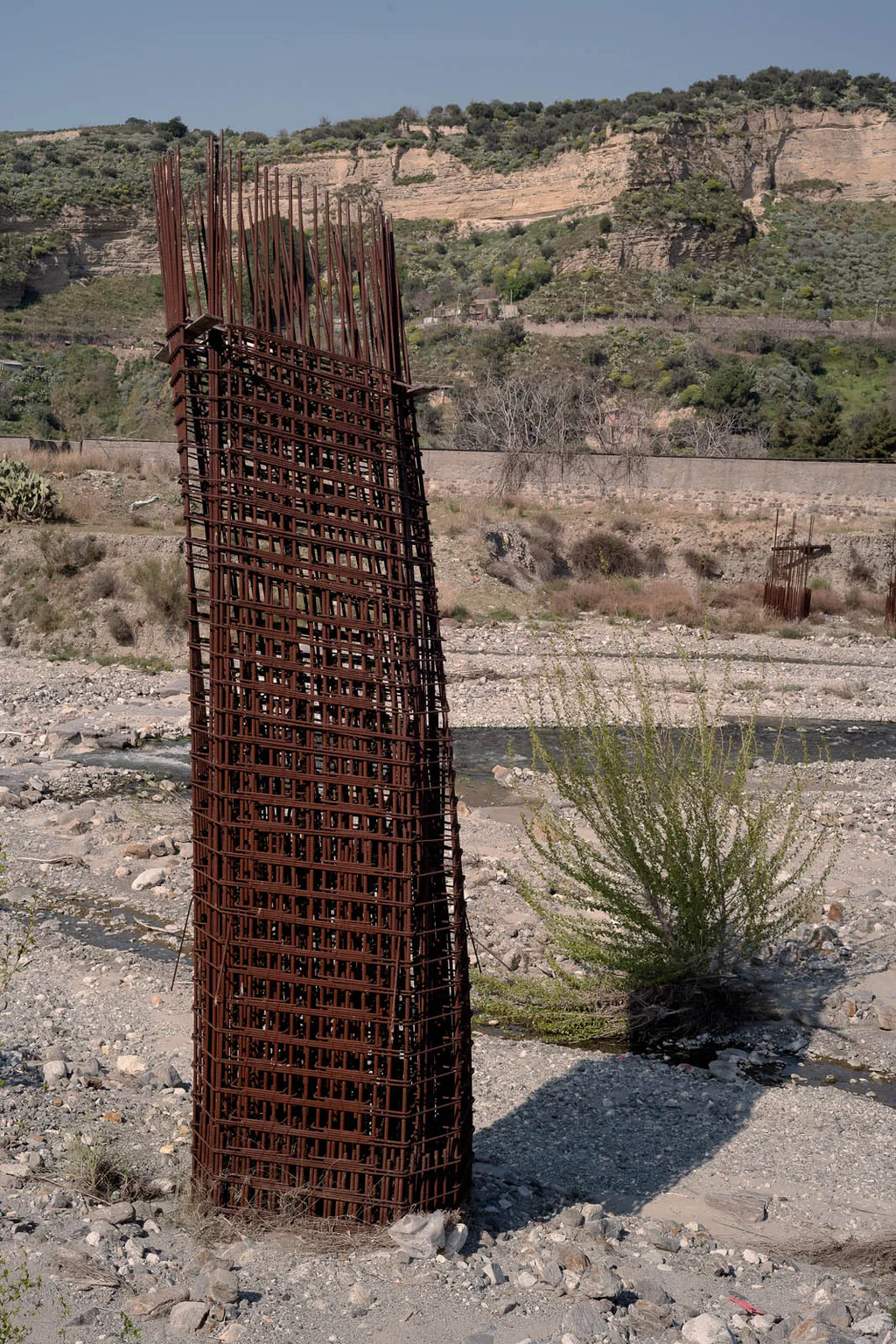
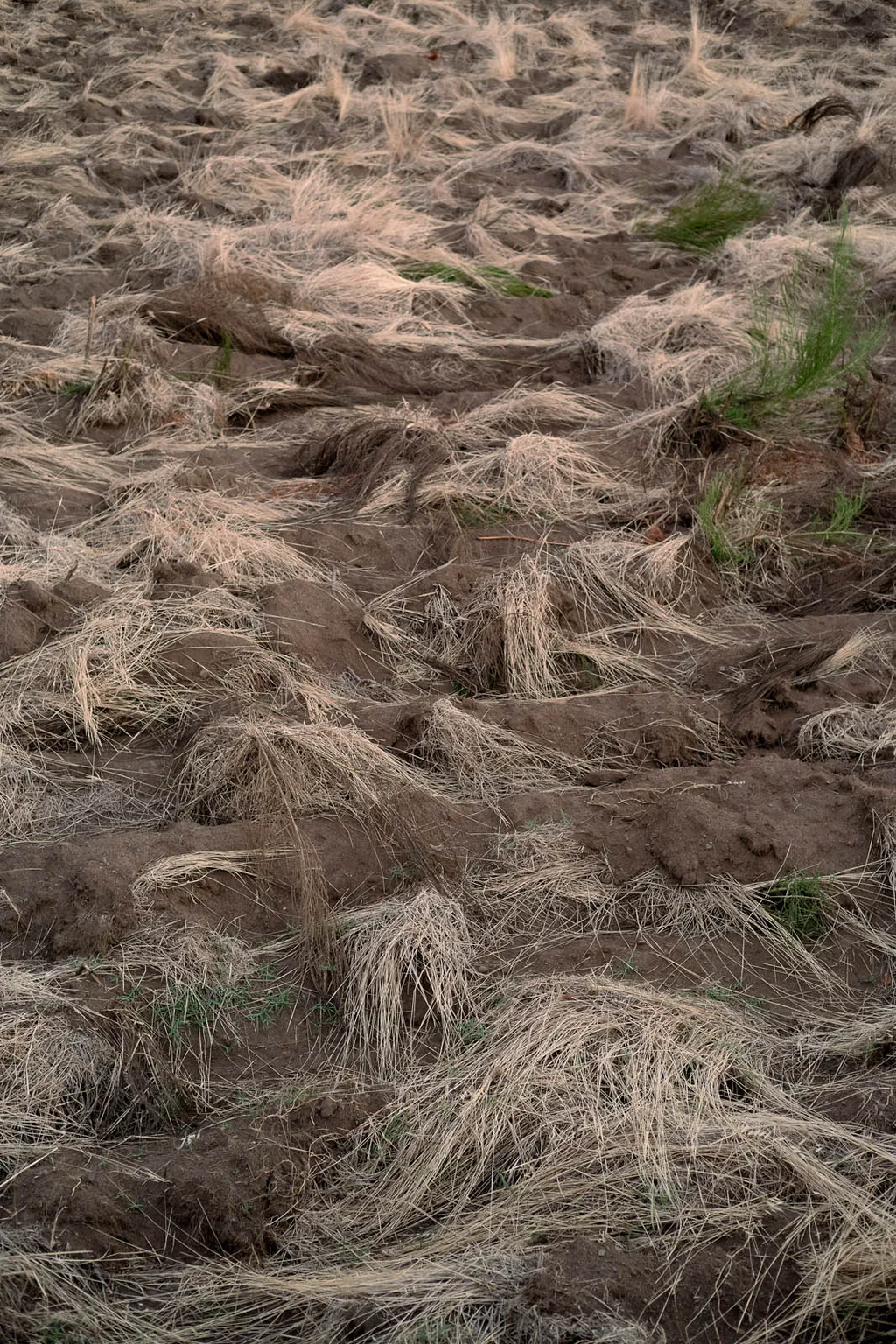
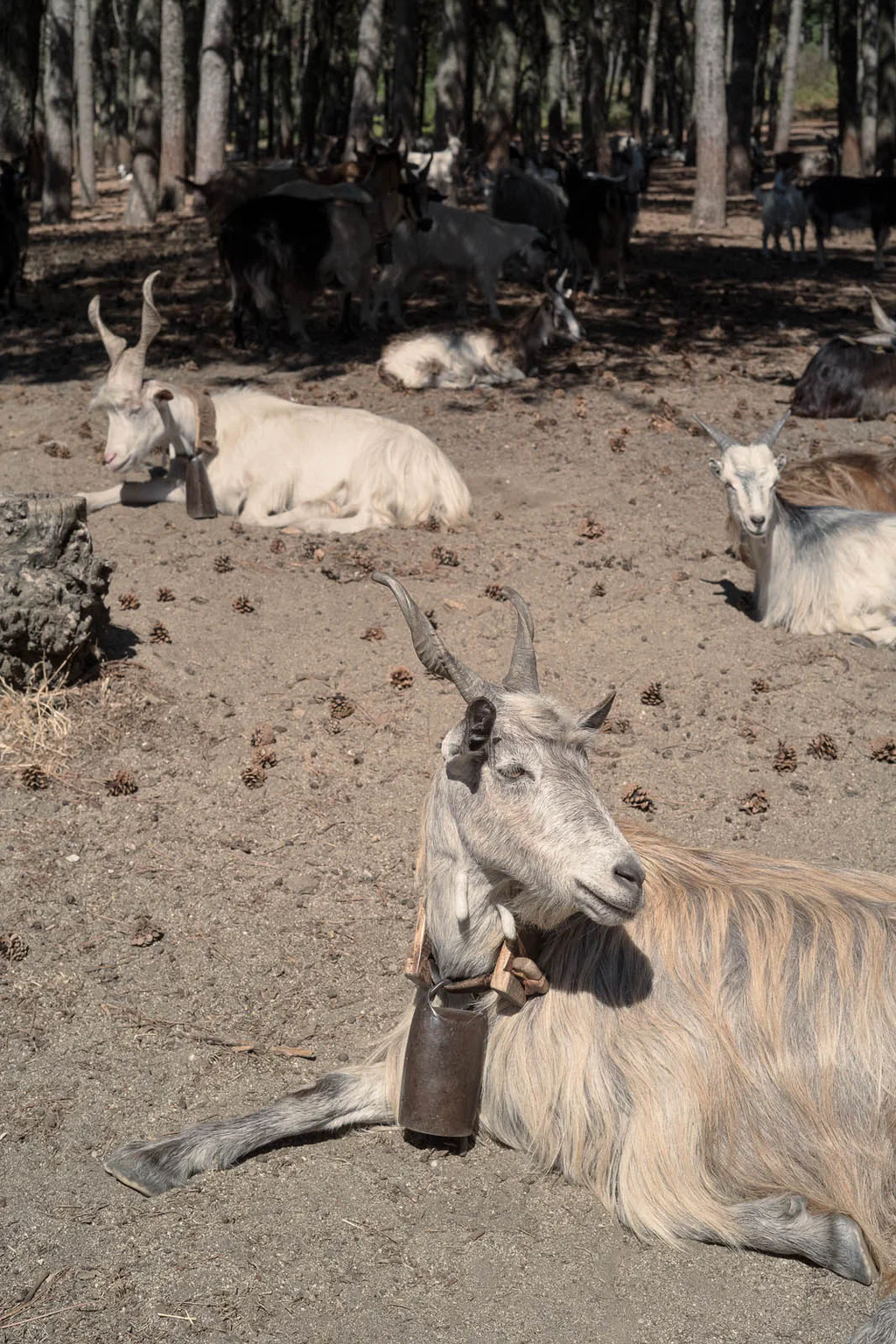
These are places where popular traditions live on, the joy of being together, the way cattle are raised which is not affected by the passing of time, the ruins of abandonment, tracks rusted by time, undergrowth overtaking cement, walls which are crumbling and walls which continue to resist. He’s neither trying to denounce nor seeking an objective viewpoint. He selects his framing not to judge but to seek empathy, perhaps even in an exercise of pietas which transforms the persistence of malaise into a kind of land art. He builds a sequence of images of details and wider visions which, page after page, guides us through a land we do not know, which is his alone, and quotes Umberto Zanotti Bianco: “There is no beauty of a territory that has not yet been awakened, no wealth of new worlds barely touched by civilisation worth the charm of this neglected and yet ancient Calabria, …”.
He has his maestri. Those re-interpreters of the “everyday banal” who, since the 1980s, have given a different direction to Italian photography, who have taught us to see a transformed territory, to live with landscapes which have suffocated and forgotten the marvels of the Grand Tour. With the same identical respect and perhaps that same identical love, Mallamaci looks at the places he passes through every day and which every day force him to withhold judgement that would otherwise be inevitable. He thinks about Guido Guidi, Stephen Shore, Robert Adams, Luigi Ghirri, he compares himself with his friend Filippo Romano and makes his own the lessons of those who have tried and try through photography to recompose the hardships that history has caused on the environment. To this “beautiful place” Mallamaci dedicates an enduring love song, aware that in the images of his Calabria everyone will see what experience has taught them to see, but what they will also see is a remarkable poetic dedication to a suffering land.
Giovanna Calvenzi, from her essay in the book
The book is available from Gente di Fotografia.
Exhibition project
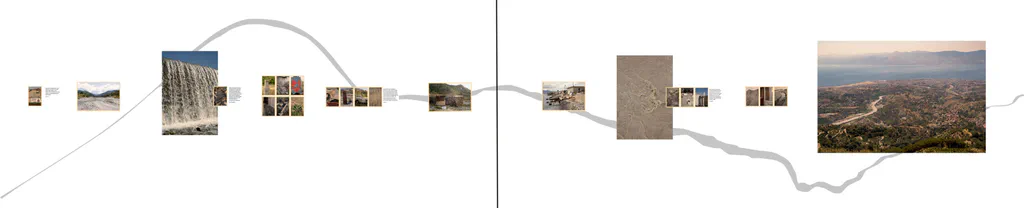
Twenty-one framed photographs in two formats, printed on Canson Baryta Prestige 340, and three large PVC prints; four texts by four authors, two Calabrian and two not. Four speakers reproduce sounds recorded in the valley: each plays a different mix of recordings, so that the sonic environment changes as the visitor moves through the photographs.
Presentations
Between November 2024 and June 2026 the book was presented at nineteen venues across Italy.
- 25 June 2026Ordine degli Architetti, Pianificatori, Paesaggisti e Conservatori della provincia di Reggio Calabria
- 4 June 2026Fotoclub Etruria
- 20 July 2025Cortona On The Move
- 11 July 2025Livre et Café
- 10 June 2025Case di Fotografia
- 27 April 2025Festival Fotografia Europea
- 8 April 2025Officine Fotografiche
- 22 March 2025MIA Photo Fair
- 21 March 2025New Old Camera
- 1 March 2025Libreria Zazie
- 28 February 2025Le Gru
- 31 January 2025Spazioteatro
- 26 January 2025Istanti, fotografia e cultura
- 15 January 2025Il fotografo nella tana
- 20 December 2024Tip Teatro
- 17 December 2024Ordine e Fondazione dell’Ordine degli Architetti, Pianificatori, Paesaggisti e Conservatori della provincia di Milano
- 14 December 2024Photolux Festival
- 7 December 2024Pro Loco
- 29 November 2024Gruppo Fotoamatori Pistoiesi
Video
The book
Documentary work on the Sant’Agata river valley, in Aspromonte.
Five years of photographing the valley, then four more of trials, selections and experiments — the choice of materials and format, the building of the sequence, the graphic design — all of it bound to the work it carries. The book holds four short texts by four different authors, two Calabrian and two not: they add ingredients to the narration and are never captions to the images.
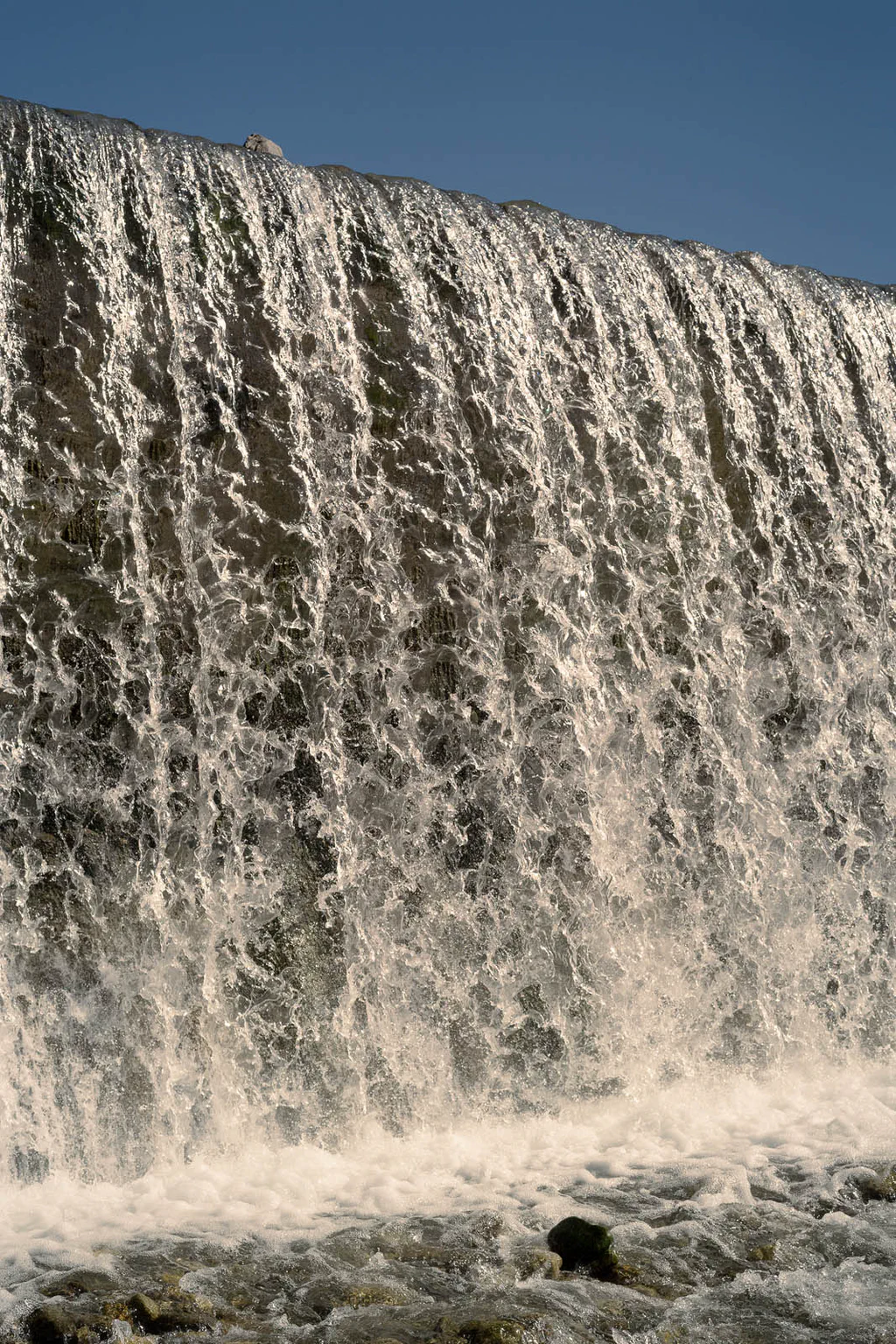
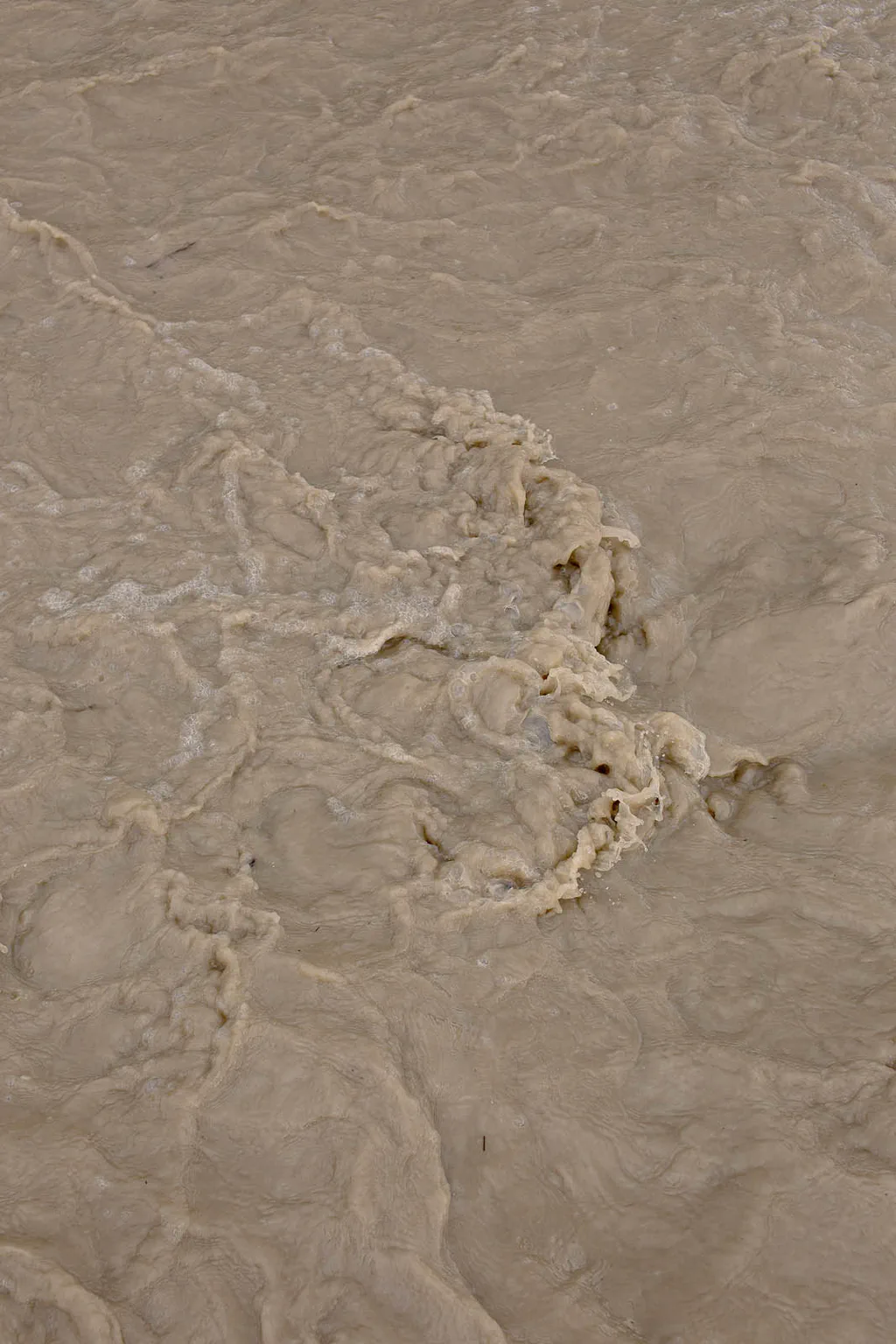
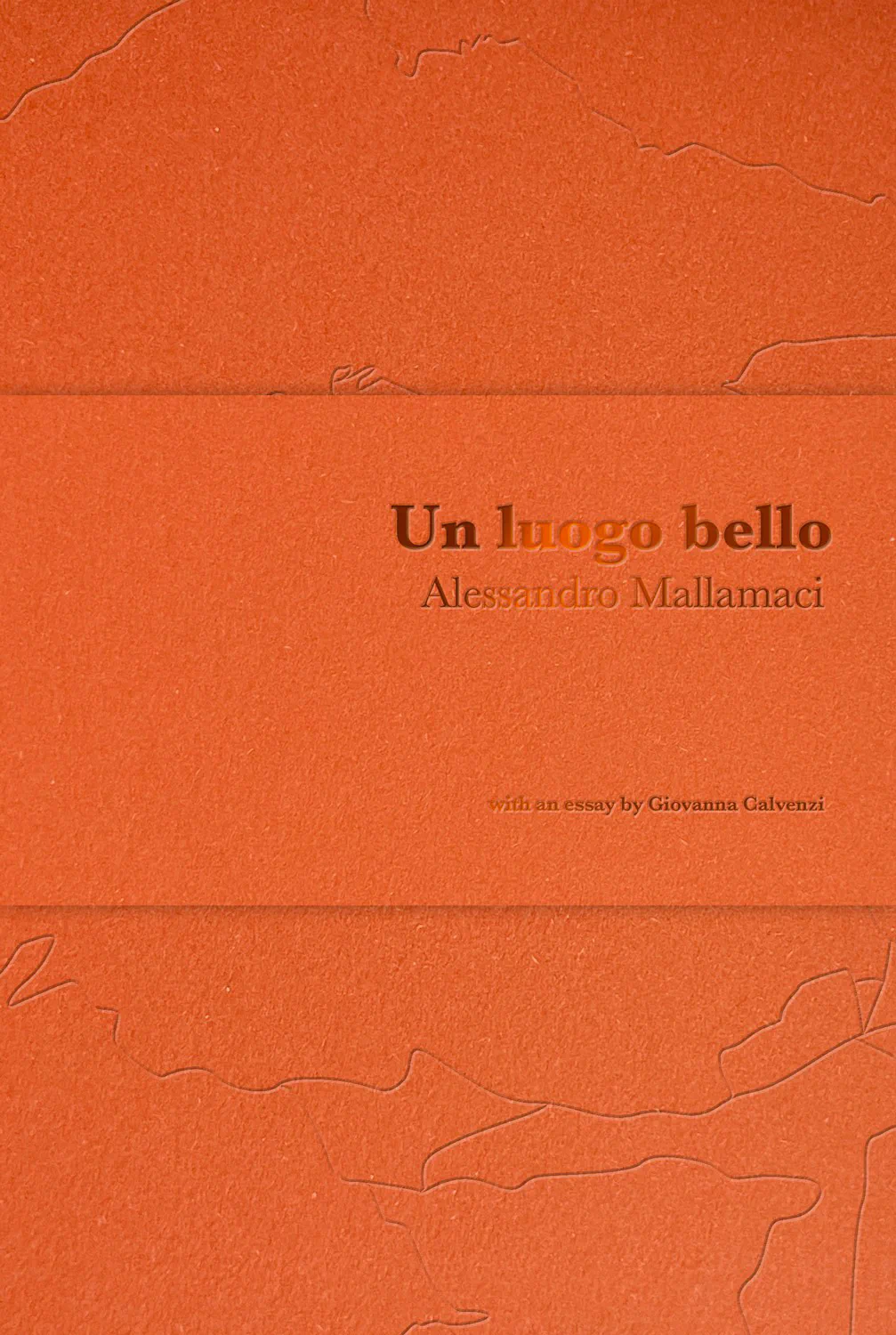
The course of the river guides the eye. Some photographs show the water, others evoke it; the motif returns cyclically through the sequence, like rhymes in a sonnet. The cover is Fedrigoni Materica Terrarossa because in more than one literary work the sandstone of Aspromonte is called exactly that — red earth.
- Years
- 2015–2023
- Place
- Valle della fiumara Sant’Agata, Aspromonte, Reggio Calabria, Italy
- Origin
- Self-initiated
- Outcomes
- 2026 · Selected · Fotolibros por el Cambio 2026 at Pa-ta-ta Festival, Granada, Spain — the book enters the festival’s permanent library
- 2026 · Photobook exhibition · Fotolibros por el Cambio, Pa-ta-ta Festival, Granada, Spain, with Un luogo bello
- 2026 · Group exhibition · MIA Photo Fair, Tau Visual, Milan, Italy, with Un luogo bello
- 2025 · Special mention · Prémio Fotolivros 2025 by Encontros da Imagem, Festival Internacional de Fotografia e Artes Visuais
- 2025 · Solo exhibition · Voci in Aspromonte, Cataforio (RC), Italy
- 2025 · Solo exhibition · Le Gru, Valverde (CT), Italy
- 2025 · Solo exhibition · Fotografia Calabria Festival, San Lucido (CS), Italy
- 2025 · Photobook exhibition · Prémio Fotolivros 2025, Encontros da Imagem, Festival Internacional de Fotografia e Artes Visuais, Braga, Portugal, with Un luogo bello
- 2025 · Book notice · Katalog 36.1, Denmark
- 2024 · Winner · Raccontare l’Italia — InTarget Award by Photolux Festival
- 2024 · Solo exhibition · Photolux Festival, Lucca, Italy
- 2024 · Shortlisted · FE+SK Book Award, promoted by Fotografia Europea festival and Skinnerboox
- 2024 · Shortlisted · Athens Photo Festival
- 2024 · Shortlisted · 166th International Photography Exhibition by Royal Photographic Society
- 2024 · Group exhibition · Paris Photo, Galleria Valeria Bella, Paris, France, with Un luogo bello
- 2023 · Winner · Open Call and selected for the Back on the Shelf book exhibition at Filter Photo, in Chicago, USA
- 2023 · Winner · Open Call and selected for The performing photobook exhibition, curated by Francesca Serravalle at the Format International Photography Festival in Derby, UK
- 2023 · Winner · Open Call PAESAGGI | Affinità e divergenze, organised by FormicaLab in Cuneo, Italy
- 2023 · Winner · With or without roots Open Call
- 2023 · Solo exhibition · Paesaggi | Affinità e divergenze, FormicaLab, Cuneo, Italy
- 2023 · Solo exhibition · Lishui Photography Festival, China
- 2023 · Group exhibition · Drive-in, Galleria Valeria Bella, Milan, Italy, with Un luogo bello
- 2023 · Group exhibition · Con e senza radici, Roots Art Gallery, Pisa, Italy, with Un luogo bello
- 2022 · Winner · International Open Submission by the Belfast Photo Festival
- 2022 · Photobook exhibition · Belfast Photo Festival, specially curated presentations featuring the photo-book winners of the 2022 International Open Submission, Botanic Gardens, Belfast, UK, with Un luogo bello
- 2022 · Group exhibition · The Phair, Galleria Valeria Bella, Turin, Italy, with Un luogo bello
- 2022 · Group exhibition · La biennale dello Stretto, curator arch. Alfonso Femia, Campo Calabro, Forte Batteria Siacci, Reggio Calabria, Italy, with Un luogo bello
- 2022 · Bronze placement · Tokyo International Foto Awards
- 2021 · Shortlisted · Andy Rocchelli Grant
- 2021 · Group exhibition · Inside things, Galleria Valeria Bella, Milan, Italy, with Un luogo bello
- 2020 · Special mention · Urbanautica Institute Annual Awards 2020
- Book
- Published, second edition · Gente di Fotografia · October 2024
- Format
- 14 × 20.85 cm
- Pages
- 120
- Binding
- Swiss binding, exposed thread sewing
- Cover
- Fedrigoni Materica Terrarossa 360 gsm with a dry stamp; belly band with a dry stamp and hot foil
- Interior
- Fedrigoni Old Mill 150 gsm
- Typefaces
- Baskerville
- Printer
- Rubbettino Print
- Edition
- First edition, 300 copies
Second edition, 200 copies
Second edition, second printing, 500 copies
1,000 copies in print - Language
- Italian / English
- ISBN
- 978-88-947614-7-4
- Texts
- In order: Alessandro Mallamaci; Corrado Alvaro, from L’amata alla finestra; Umberto Zanotti Bianco, from Tra la perduta gente; Saverio Strati, from La teda; Norman Douglas, from Old Calabria; an essay by Giovanna Calvenzi. English translation by Gail Mitchell
- Design
- Alessandro Mallamaci